


Is November or December a Good Time to Start Invisalign?
For most people, yes. Clear aligner treatment works the same way in any month, so there is no "wrong" time to begin, and starting now means you will not spend the new year waiting. At Damurjian & Nasr Dentistry, we help patients throughout West Long Branch and Monmouth County straighten their teeth with Invisalign, and many of them are surprised by how easily treatment fits into a busy holiday season.
Depending on your case, starting this season could put you well on your way by spring, ahead of weddings, graduations, vacations, and other events where you want to feel confident smiling in photos.
The short version:
- Invisalign uses a series of clear, removable aligners that gradually move your teeth.
- You wear them about 20 to 22 hours a day and take them out to eat.
- Treatment time varies by case, and a consultation gives you a personalized estimate.
- Holiday meals and parties are manageable with a few simple habits.
How Does Invisalign Work?
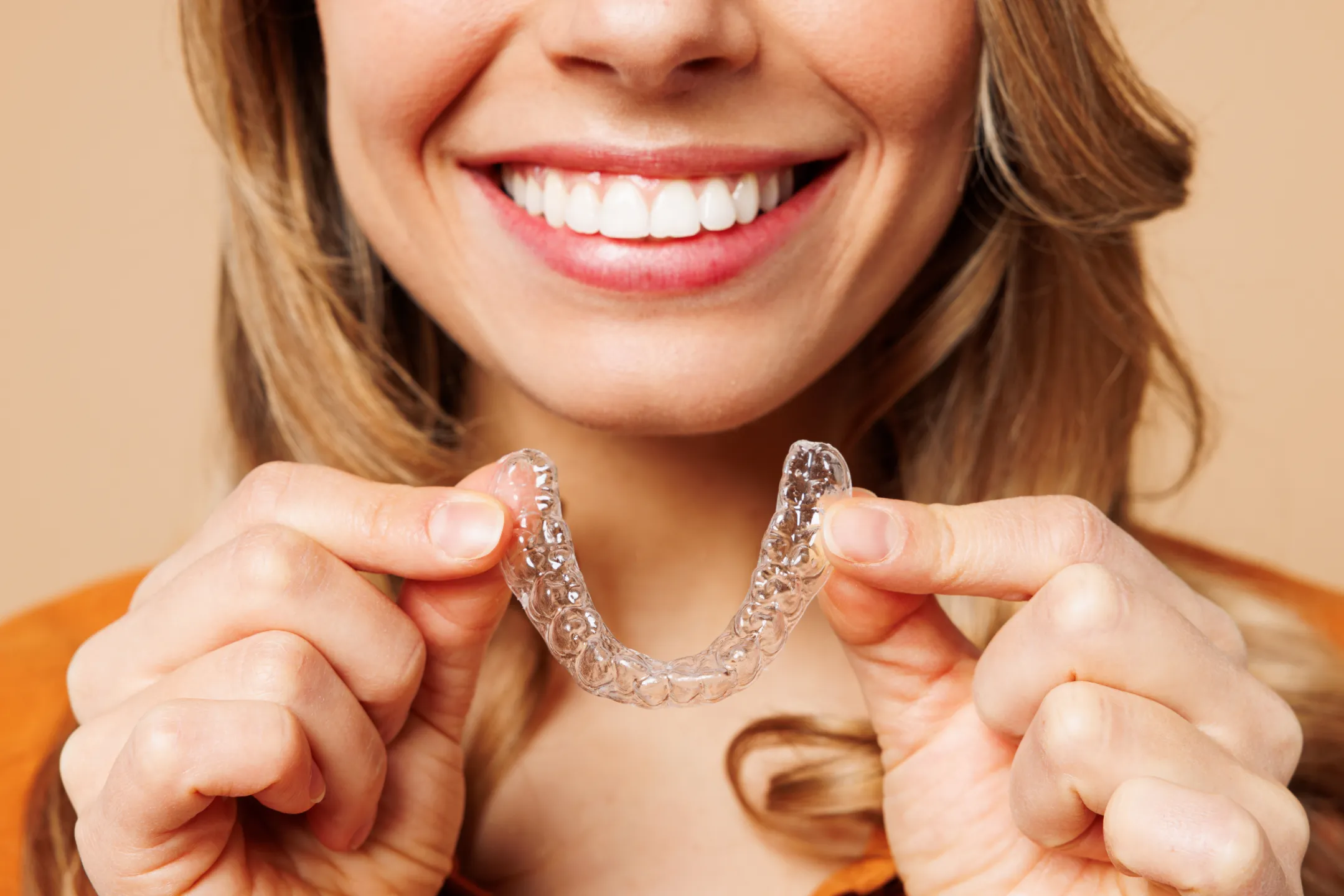
Invisalign replaces metal brackets and wires with custom-made clear aligners. Each set is designed to apply gentle pressure that shifts your teeth a small amount at a time. You switch to a new set every one to two weeks, as directed by your doctor, until your teeth reach their planned positions.
Because the aligners are removable, you take them out to eat and drink anything other than water, then brush your teeth before putting them back in. You will also have regular checkups so we can confirm your treatment is progressing as planned.
How Long Does Invisalign Take?
Treatment time depends on your teeth and your goals. Many cases take somewhere between six months and a year and a half, while more complex cases can take longer. The main factors include:
- How far your teeth need to move
- The complexity of your bite and spacing
- How consistently you wear your aligners each day
- Whether any refinements are needed along the way
Consistent wear is the one factor completely in your hands. Aligners that are worn less than recommended can slow your progress and extend your treatment.
Can You Wear Invisalign During the Holidays?
Absolutely. Thanksgiving dinners, office parties, and family gatherings are all easy to navigate with a little planning:
- Take your aligners out before you eat, and put them back in once you have brushed.
- Always keep them in their case, never wrapped in a napkin, where they are easily thrown away by mistake.
- Carry a travel toothbrush so you can freshen up and put your aligners back in right after a meal.
- Try to enjoy holiday treats during meals rather than grazing all day, so your aligners stay in as many hours as possible.
- Stick with water while your aligners are in, since sugary or colored drinks can get trapped against your teeth.
Keep up with your regular dental cleanings and exams during treatment as well, which helps keep your teeth and gums healthy while they move.
Is Invisalign a Good Option for Adults and Young Professionals?
Yes. Many of our Invisalign patients are adults who want to straighten their teeth without the look of traditional braces. Because the aligners are clear and removable, most people find they fit comfortably into work, social events, and everyday life.
Invisalign can address a range of concerns, including:
- Crowded or overlapping teeth
- Gaps between teeth
- Certain bite problems
Not every case is the same, and some complex situations may call for a different approach. We also offer ClearCorrect and other clear aligner options, so we can recommend the one that best fits your goals during your consultation.
What Happens After Invisalign Treatment?
Once your teeth are in their new positions, you will wear retainers to keep them there. Teeth naturally want to drift back, so wearing your retainers as directed is what protects your investment for the long term.
Many patients also look at finishing touches once their teeth are aligned, such as teeth whitening, or combine aligners with other treatments as part of a complete smile makeover.
How Can You Pay for Invisalign?
Orthodontic coverage varies widely. Some dental plans include an orthodontic benefit with a separate lifetime maximum, and some limit that benefit to children, so it is worth checking your policy. Flexible spending account (FSA) and health savings account (HSA) funds can often be applied toward orthodontic treatment, which can be helpful if you have funds to use before the end of the year. Our team will explain your options and provide clear cost information before you begin. You can learn more on our Patient Info page.
What Should You Expect at Your First Invisalign Consultation?
Dr. Robert J. Damurjian and Dr. Mark A. Nasr and our team will take the time to understand your goals and walk you through every step. A typical first visit includes:
- An exam and imaging, using our digital technology, to evaluate your teeth, gums, and bite
- A conversation about what you would like to change about your smile
- An honest recommendation on whether Invisalign is the right fit for your case
- An estimated timeline and a clear explanation of cost and payment options
- Next steps for getting started, so you know exactly what to expect
FAQs About Starting Invisalign
Does Invisalign hurt?
Most people feel mild pressure or soreness for a few days when they begin a new set of aligners. That feeling is a sign the aligners are working, and it typically eases quickly as your teeth adjust.
Can I eat with Invisalign in?
No. Remove your aligners to eat and to drink anything other than water, then brush your teeth before putting them back in. This protects both your aligners and your teeth.
How many hours a day do I need to wear Invisalign?
Plan on about 20 to 22 hours a day. Wearing your aligners consistently is the best way to keep your treatment on schedule.
Is Invisalign better than braces?
It depends on your case. Invisalign is removable and nearly invisible, which many adults prefer, while traditional braces may be a better fit for some complex situations. A consultation is the best way to find out which option suits you.
Will I need a retainer after Invisalign?
Yes. Retainers help keep your teeth from shifting back after treatment, so wearing them as directed is an important part of maintaining your results.
Can I whiten my teeth during Invisalign treatment?
Many patients prefer to wait until treatment is finished so the shade of their teeth is even. Ask us about the best timing for your situation.
Is Invisalign only for crooked teeth?
No. In addition to crowding, Invisalign can help close gaps and correct certain bite concerns. We will let you know during your consultation what it can do for your smile.
What is the difference between Invisalign and ClearCorrect?
Both are clear aligner systems that use a series of custom, removable aligners to gradually straighten teeth. Your doctor can recommend the one that best fits your goals and treatment plan.

Ready to Start Your Invisalign Journey?
A straighter, more confident smile can be underway before the new year begins. Call us today at (848) 225-9410 or request an appointment online to schedule your Invisalign consultation.



Monday - Tuesday: 8:00 AM – 5:00 PM
Wednesday: Closed
Thursday: 8:00 AM – 5:00 PM
Friday: 8:00 AM – 2:00 PM
Saturday–Sunday: Closed