


.svg)


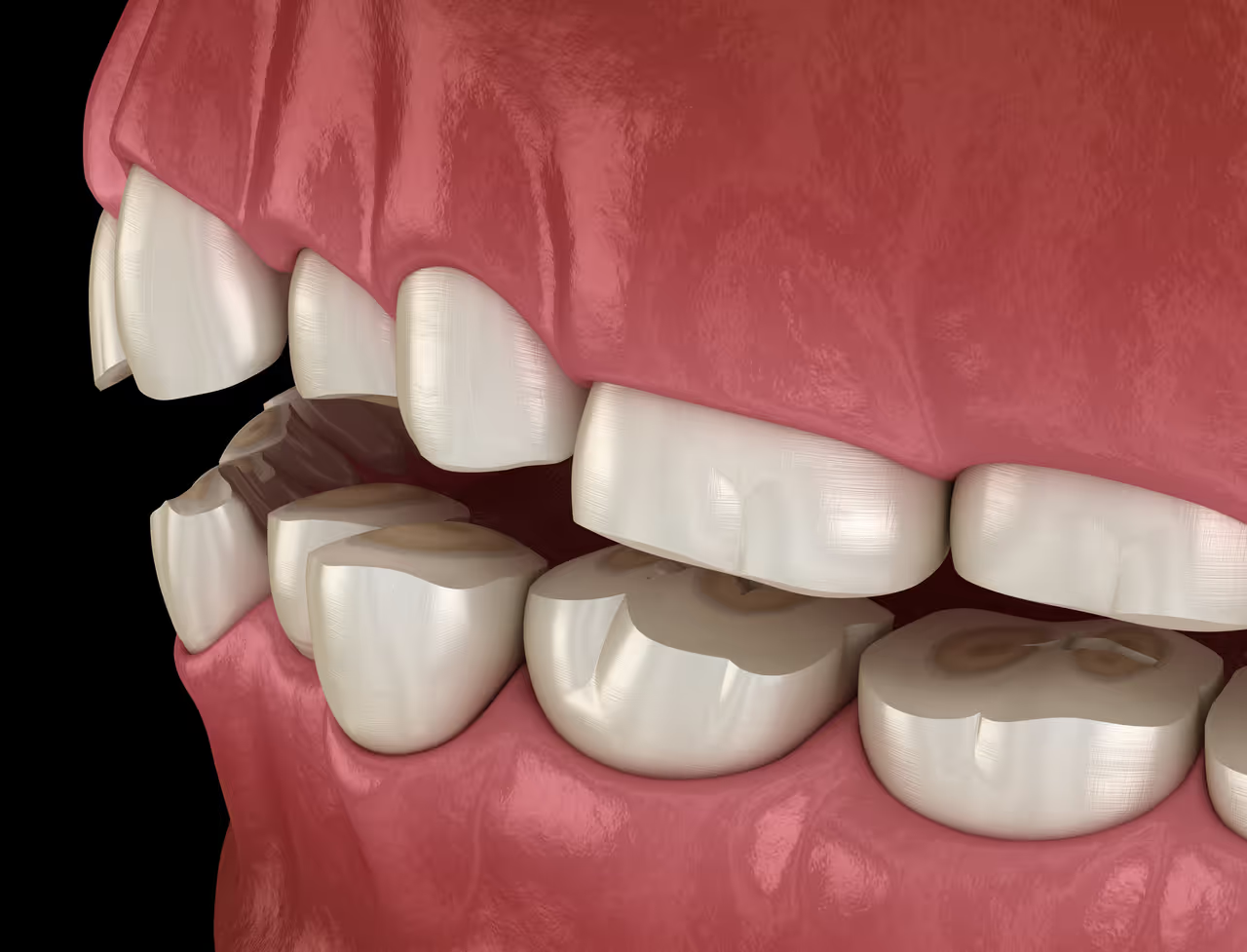
Teeth grinding and clenching—known clinically as bruxism—can quietly damage your teeth, jaw, and overall oral health over time. At Damurjian & Nasr Dentistry, we provide customized bruxism treatment designed to relieve discomfort, prevent further damage, and protect your smile for the long term.
Patients in West Long Branch, Long Branch, and Eatontown rely on our practice for precise diagnosis and personalized treatment planning, as do those who travel in from Princeton, Summit/Short Hills, Jersey City, and Hoboken.
What Is Bruxism?
Bruxism is a condition where patients grind or clench their teeth, often unconsciously. It commonly occurs during sleep but can also happen while awake, especially during periods of stress or concentration. Left untreated, bruxism can lead to significant dental and muscular issues.
Common signs and symptoms include:
- Flattened, chipped, or fractured teeth
- Jaw soreness or stiffness, especially in the morning
- Headaches or facial pain
- Tooth sensitivity without visible decay
- Clicking or discomfort in the jaw joint
- Disrupted sleep or jaw fatigue
Many patients are unaware they grind their teeth until damage is discovered during a dental exam.
How We Diagnose Bruxism
Accurate diagnosis is essential to effective treatment. During your evaluation, we assess tooth wear patterns, jaw alignment, muscle tension, and bite function. Advanced imaging using Digital Technology allows us to identify subtle changes that may not be visible during a routine exam.
Bruxism is often closely linked to jaw joint dysfunction, which is why evaluation for TMJ Therapy may be recommended as part of your care plan.
Bruxism Treatment Options
Treatment for bruxism is tailored to the cause and severity of the condition. Our goal is to protect your teeth while reducing strain on the jaw muscles and joints.
Common treatment options include:
- Custom Occlusal Guards
Professionally fitted appliances worn during sleep to prevent tooth-to-tooth contact. Learn more about Occlusal & Sports Mouthguards. - Bite Alignment Therapy
If bite imbalance contributes to grinding, occlusal adjustments or restorative care may be recommended. - Muscle Tension Management
Jaw relaxation strategies, habit awareness, and stress reduction guidance may be incorporated. - Restorative Protection
Teeth that have been weakened or damaged by grinding may require Dental Crowns to restore strength and function. - Sedation Support
For patients with anxiety or severe jaw tension, Sedation Dentistry can make treatment more comfortable.
Long-Term Effects of Untreated Bruxism
Without treatment, bruxism can lead to progressive damage that becomes more complex and costly to repair. Potential complications include:
- Cracked or broken teeth requiring Tooth Extractions
- Chronic jaw pain and limited mobility
- TMJ disorders and joint inflammation
- Gum recession and bone loss
- The need for extensive restorative procedures
Early intervention can significantly reduce these risks and preserve your natural teeth.
Expert Care from a Trusted Dental Team
At Damurjian & Nasr Dentistry, Dr. Robert J. Damurjian and Dr. Mark A. Nasr bring decades of clinical experience to diagnosing and managing bruxism. Our practice philosophy centers on precision, education, and prevention—ensuring every patient receives thoughtful, individualized care.
We proudly serve adults, families, and professionals throughout West Long Branch and surrounding communities, offering solutions that fit both your lifestyle and long-term oral health goals.
FAQs About Bruxism Treatment
Question text goes here
Answer text goes here
How do I know if I grind my teeth at night?
Many patients are unaware of nighttime bruxism. Signs include jaw soreness in the morning, headaches, worn teeth, or reports from a sleep partner. A dental exam can often confirm the diagnosis.
Are over-the-counter night guards effective?
Store-bought guards offer limited protection and may worsen bite issues. Custom guards from your dentist are precisely fitted for comfort, durability, and effective protection.
Can bruxism be cured?
Bruxism can often be managed effectively, even if the underlying cause cannot be fully eliminated. Proper treatment significantly reduces symptoms and prevents further damage.
Is bruxism related to TMJ disorder?
Yes, bruxism and TMJ disorders frequently occur together. Treating one condition often helps relieve the other, which is why combined evaluation is important.

Schedule a Bruxism Evaluation Today
If you’re experiencing jaw pain, headaches, or signs of teeth grinding, early treatment can make all the difference. Our team welcomes anyone seeking effective, long-term relief, from West Long Branch and Oceanport to those traveling from Princeton, Summit/Short Hills, Jersey City, and Hoboken.
Call (732) 222-4357 or request an appointment online to begin personalized bruxism treatment today.
.avif)



Monday - Tuesday: 8:00 AM – 5:00 PM
Wednesday: Closed
Thursday: 8:00 AM – 5:00 PM
Friday: 8:00 AM – 2:00 PM
Saturday–Sunday: Closed