


.svg)


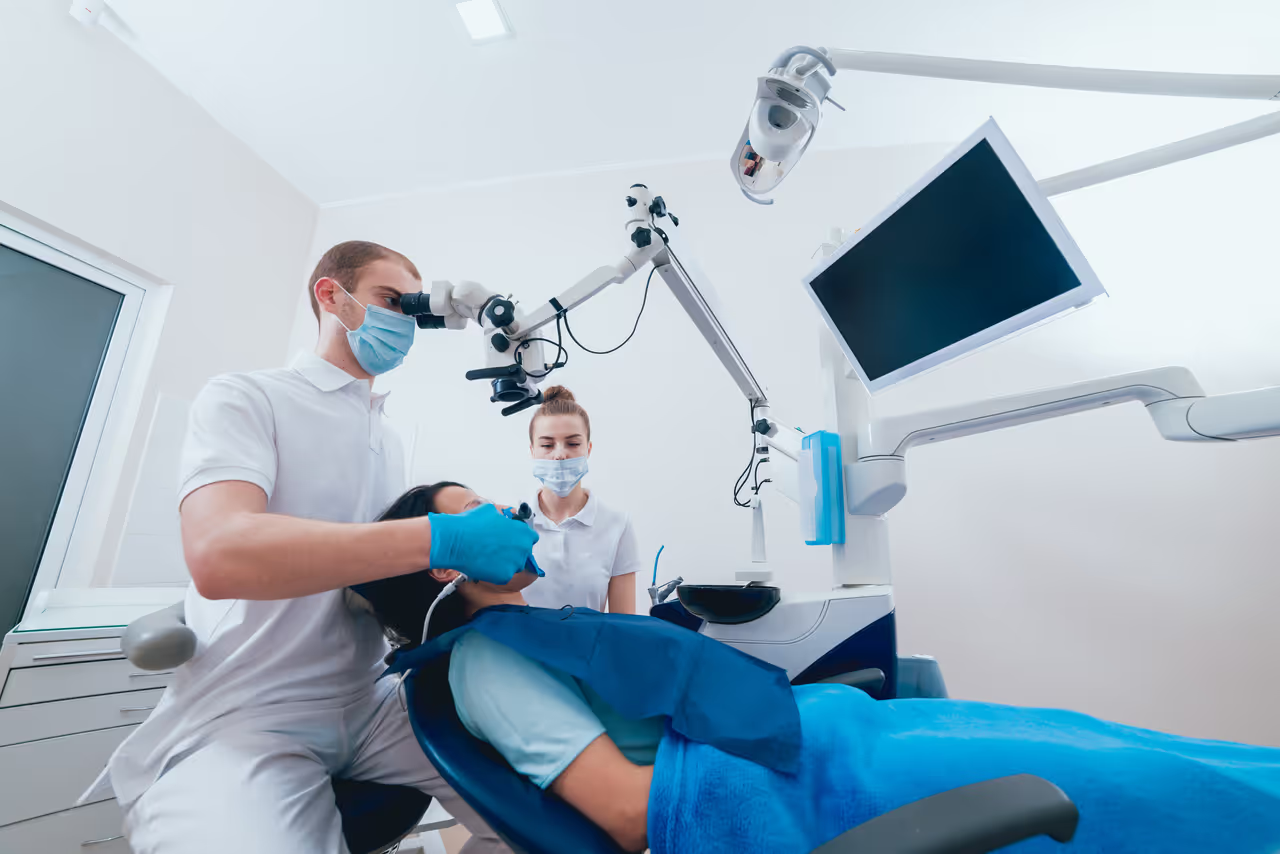
At Damurjian & Nasr Dentistry, preserving your natural teeth is always our priority. When deep decay or trauma threatens the inner pulp of a tooth, root canal therapy offers a reliable, comfortable solution to avoid extraction. Performed with modern technology and precision techniques, our root canal treatments are designed to eliminate infection, relieve pain, and restore the full function of your tooth.
Patients throughout West Long Branch, Hoboken, Summit/Short Hills, Princeton, and Jersey City rely on our practice for comprehensive endodontic care that puts comfort and long-term oral health first. Each procedure is completed by Dr. Robert J. Damurjian or Dr. Mark A. Nasr, combining decades of clinical expertise with a gentle, compassionate approach.
What Is a Root Canal?
A root canal is a restorative dental procedure used to treat and save a tooth that has become infected or severely inflamed within the pulp—the soft tissue at the center of the tooth that contains nerves and blood vessels. If left untreated, the infection can spread to surrounding tissue, cause significant pain, and ultimately require tooth extraction.
Root canal therapy involves:
- Removing infected or inflamed pulp
- Cleaning and disinfecting the root canal system
- Sealing the tooth to prevent future infection
- Restoring the tooth’s structure and strength with a dental crown
Signs You May Need a Root Canal
Root canal symptoms often include:
- Persistent tooth pain, especially when biting or chewing
- Lingering sensitivity to hot or cold temperatures
- Swelling or tenderness in the gums near the tooth
- Discoloration or darkening of the tooth
- A pimple-like bump (abscess) on the gum
If you’re experiencing any of the above, it’s important to schedule an evaluation as soon as possible. Timely treatment can often prevent the need for extraction.
Our Root Canal Process
- Diagnosis and Digital Imaging
Using advanced diagnostic tools and digital X-rays, we assess the severity of infection and create a custom treatment plan. - Anesthesia and Sedation
Local anesthesia is used to numb the area completely. For anxious patients, we offer oral conscious sedation and nitrous oxide to ensure comfort throughout the procedure. - Pulp Removal and Cleaning
The tooth is carefully opened, the diseased pulp is removed, and the canal system is thoroughly cleaned and shaped. - Disinfection and Filling
The canals are disinfected and filled with a biocompatible material (gutta-percha) to seal them and prevent reinfection. - Final Restoration
In most cases, a dental crown is placed on the tooth to restore full function and protect it from future damage.
Benefits of Root Canal Therapy
- Stops infection from spreading
- Relieves dental pain and discomfort
- Maintains your natural tooth structure
- Avoids the need for extraction
- Preserves proper bite alignment and jaw function
When combined with a durable crown, root canal-treated teeth can last as long as your natural teeth and function just as well.
Related Restorative Treatments
Root canal therapy is often performed alongside or followed by other restorative procedures, including:
- Dental Fillings for minor restorations
- Inlays & Onlays when more than a filling is needed but a full crown is not
- Full & Partial Dentures when saving the tooth is no longer viable
- Bone Grafting if infection has affected surrounding bone tissue
FAQs About Root Canal Treatment
Question text goes here
Answer text goes here
Are root canals painful?
Modern root canal therapy is no more uncomfortable than getting a filling. With effective local anesthesia and sedation options, most patients experience minimal discomfort during and after treatment.
How long does a root canal take?
Most root canal procedures are completed in one to two visits, depending on the complexity of the tooth. Molars with multiple canals may require additional time or follow-up.
Will I need a crown after a root canal?
In most cases, yes. A dental crown is recommended after root canal therapy to restore the tooth’s strength and prevent future fracture or decay.
How do I care for my tooth after a root canal?
Good oral hygiene, routine dental cleanings and exams, and avoiding hard foods immediately after the procedure can help ensure long-term success.
Can a root canal fail?
While rare, root canal failure can occur due to undetected canals or reinfection. In such cases, we may recommend endodontic retreatment or surgical options.

Schedule Your Root Canal Consultation in West Long Branch
If you’re in pain or have been told you need a root canal, don’t wait. At Damurjian & Nasr Dentistry, we provide gentle, high-quality endodontic care for patients across West Long Branch, Jersey City, Princeton, Summit, and Hoboken.
Call (732) 222-4357 or schedule your appointment online today to get the relief you need and preserve your smile.
.avif)



Monday - Tuesday: 8:00 AM – 5:00 PM
Wednesday: Closed
Thursday: 8:00 AM – 5:00 PM
Friday: 8:00 AM – 2:00 PM
Saturday–Sunday: Closed